Creating a Native Garden: Benefits and Design Tips
- samuelxjamieson
- Oct 24, 2024
- 3 min read
Native gardens offer a sustainable, low-maintenance option for homeowners, perfectly suited to the Sunshine Coast’s unique climate. By selecting plants that are adapted to the local environment, you can create a garden that requires less water, fertilizer, and upkeep, while promoting local biodiversity. Here's an in-depth guide to creating a thriving native garden.
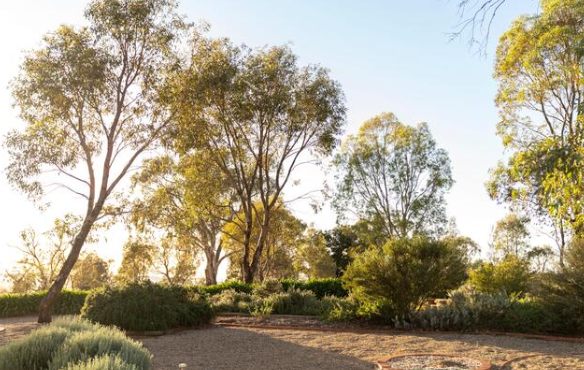
Benefits of Native Gardens
Water Efficiency: Native plants are evolved to thrive in local conditions, needing less water than non-native species. In the Sunshine Coast's dry seasons, this means less irrigation and a garden that survives naturally.
Attracting Wildlife: Native plants attract local fauna such as bees, butterflies, and birds. For example, Grevilleas, Banksias, and Bottlebrush not only bloom beautifully but also provide food and habitat for nectar-feeding birds and insects.
Low Maintenance: Once established, native plants require minimal care. They adapt easily to local soil and climatic conditions, reducing the need for fertilisers and chemical interventions.
Sustainability: By choosing local species, you contribute to maintaining the balance of the local ecosystem. This can also help prevent the spread of invasive plants that threaten indigenous flora.
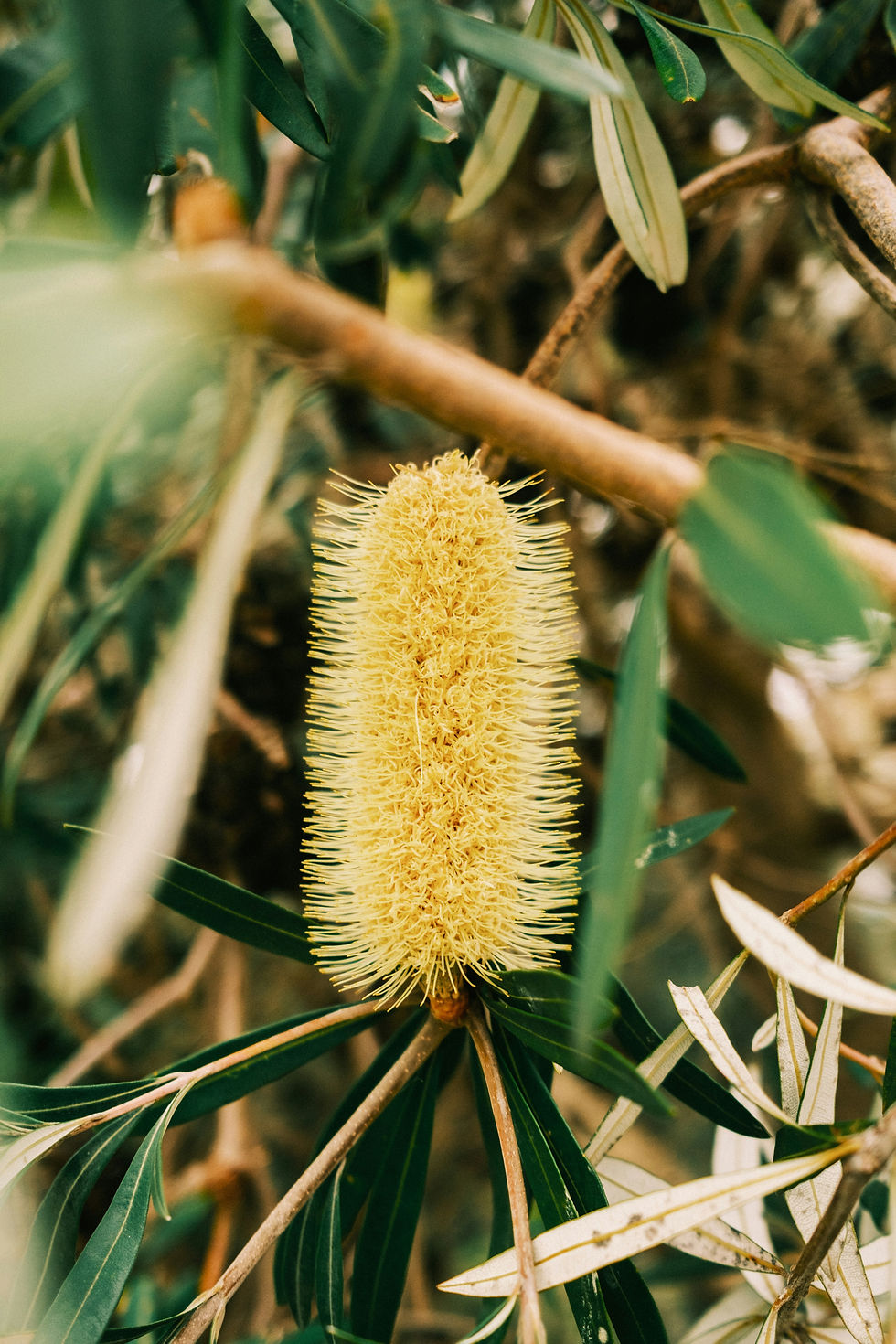
Popular Native Plants for Sunshine Coast Gardens
Grevilleas: Known for their striking flowers and nectar-rich blooms, Grevilleas are perfect for attracting birds and bees. They’re hardy and can handle the coastal conditions well.
Banksias: Iconic and versatile, Banksias grow well in sandy soils and provide spectacular flowers.
Kangaroo Paw: Unique for its bright colours and bird-attracting blooms, this plant adds texture and height.
Lomandra: A native grass that’s tough, drought-tolerant, and perfect for ground cover.
Wattles: A vibrant addition to any native garden, with their signature yellow blossoms. They help fix nitrogen in the soil, improving fertility.
Designing a Native Garden
1. Plan for Watering Zones
Group plants according to their water needs to create ‘hydrozones.’ This ensures that water is used efficiently and plants receive optimal hydration. Drought-tolerant species like Lomandra and native grasses can thrive in drier areas, while Grevilleas and Bottlebrush can be placed where more water might be available.
2. Create Visual Interest with Layers
Native gardens don’t have to be bland. By using plants of different heights, textures, and colours, you can create a visually interesting landscape. Combine shrubs like Westringia with low-growing ground covers and flowering species to add depth and appeal.
3. Use Mulching
Mulching helps retain moisture in the soil and suppresses weeds, which is particularly important in native gardens where minimal interference is desired. Use natural mulches such as bark or wood chips for a more organic look.
4. Encourage Biodiversity
Attract pollinators and beneficial wildlife by planting species like Eucalyptus, Tea Trees, and native flowering plants. The more diverse your plant selection, the more likely you are to create a thriving ecosystem that supports the local environment.
5. Go for Local Plants
Choosing species native to your specific region within Australia will provide the most successful garden. For the Sunshine Coast, many coastal species are salt-tolerant and well-suited to sandy or loamy soils.
Maintaining Your Native Garden
While native gardens are low-maintenance, they do need occasional care:
Watering: While drought-resistant, young plants need regular watering until established. Ensure new plants get enough water during their first 12 months.
Pruning: Light pruning after flowering can help maintain shape and promote further growth.
Fertilisation: Native plants require little fertiliser, but applying an organic native plant fertiliser once or twice a year can give them a boost.
Creating a native garden is not only rewarding but essential for promoting biodiversity and sustainability. With careful planning, the right plant selections, and minimal upkeep, you can create a garden that flourishes in harmony with the Sunshine Coast environment, all while enjoying the beauty of Australian native flora.